
Introduction
Urdu literature has always been more than a collection of poems, stories, and essays. It is the living soul of a culture that has survived through centuries of social, political, and emotional transformations. However, in the past 25 to 30 years, Urdu writing has undergone a remarkable shift. Themes, style, and readership have all evolved, and therefore, the contrast between classical and modern Urdu literature has become clearer than ever. This article explores these changes in detail, offering a structured look at how Urdu writing has adapted to new times while still honoring its timeless traditions.
Classical Urdu Literature: A Timeless Foundation
Themes and Motifs in Classical Urdu Poetry
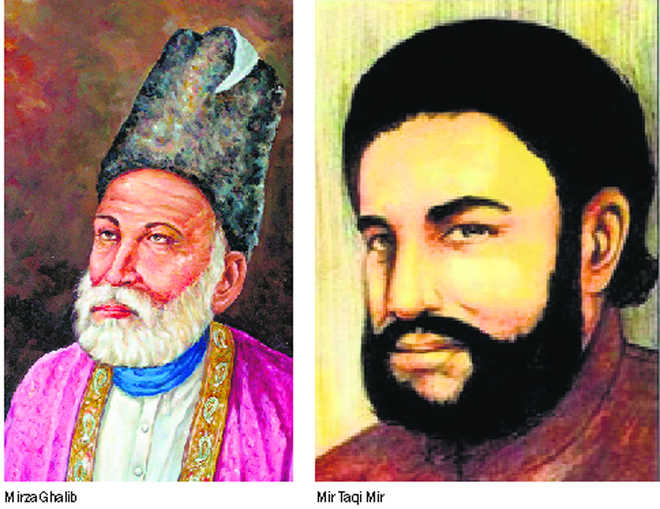
In classical times, Urdu poetry revolved around universal human experiences. Themes such as love, beauty, pain, spirituality, and separation dominated ghazals and masnavis. For instance, poets like Mir Taqi Mir and Mirza Ghalib often wrote about love and loss, yet their verses carried profound philosophical depth. Moreover, their use of metaphor and allegory allowed readers to explore deeper meanings beyond the literal words.
Style and Language in Early Urdu Writing
The style of classical poetry was formal, elegant, and deeply rooted in Persian influences. Writers relied on ornate imagery, symbolism, and rhythm to capture emotions. Although complex, this style carried a musicality that made it memorable. As a result, classical poetry became a hallmark of refined taste and intellectual pursuit.
Role of Classical Poets in Shaping Identity
Classical poets did not merely express emotions; they helped shape cultural and linguistic identity. Their works unified communities and gave voice to collective struggles. Therefore, even today, classical Urdu literature holds a sacred place in South Asian heritage.
The Rise of Modern Urdu Literature
As the world changed, so too did Urdu literature. The colonial period, the independence movement, and the creation of Pakistan all shaped literary voices in the 20th century. By the late 20th century, writers began addressing pressing social and political issues more directly.
Modern Urdu Literature: The Last 25–30 Years
Shifts in Themes: From Romance to Realities
In the last few decades, themes in Urdu writing have shifted significantly. While romance still exists, modern poets and writers often engage with social issues, identity crises, migration, gender equality, and political unrest. For example, contemporary poets highlight the challenges of globalization, cultural loss, and personal freedom. In this way, Urdu literature has expanded to mirror the complexities of present-day life.
Language and Expression in the Modern Era
Unlike the ornate language of the classical period, modern writers prefer simpler and more direct expression. This shift allows poetry and prose to be accessible to wider audiences. Furthermore, the rise of free verse and prose poetry demonstrates a clear break from rigid classical forms. Instead of relying heavily on metaphor, modern poets often choose clarity, realism, and conversational tones.
New Literary Forms: Free Verse, Prose, and Hybrid Writing
Over the past 25 years, literary experimentation has flourished. Writers blend prose with poetry, creating hybrid works that challenge traditional categories. In addition, short stories and novels have become central forms for exploring personal and societal issues. Therefore, the modern era of Urdu writing represents both innovation and inclusivity.
Comparative Analysis of Classical and Modern Literature
Differences in Themes: Love, Society, and Politics
The contrast between classical and modern Urdu literature is striking. Classical poets emphasized metaphysical love and symbolic struggles, whereas modern poets engage with real-life issues. For instance, contemporary works often discuss political violence, social inequality, and women’s empowerment—topics that classical writers rarely approached directly.
Evolution of Style: From Metaphors to Realism
Classical writers favored complexity and layers of meaning, while modern authors lean toward simplicity and clarity. As a result, the literary tone has shifted from philosophical reflection to pragmatic storytelling. However, the aesthetic beauty of classical poetry remains unmatched, and many modern writers still draw inspiration from its elegance.
The Impact of Historical and Cultural Changes
Historical events have always influenced Urdu writing. The partition of India in 1947 brought waves of migration and sorrow, which echoed in the literature of the mid-20th century. In contrast, the last 25 years reflect the influence of globalization, the digital revolution, and rapid social change. Consequently, literature has become more diverse in both form and content.
The Digital Age and Urdu Writing
Urdu Literature on Social Media
One of the most notable transformations in the modern era is the rise of digital platforms. Social media has allowed young poets and writers to share their work instantly with a global audience. Instagram poetry, YouTube recitations, and Twitter verses have made literature accessible to younger generations. As a result, Urdu poetry is no longer confined to printed journals.
Blogging, Vlogging, and Online Publishing
In addition to traditional books, online publishing has opened new doors for Urdu writers. Blogs and vlogs provide spaces for personal expression, literary criticism, and even teaching. Moreover, digital self-publishing platforms give aspiring authors the chance to reach readers without relying on established publishers.
Global Readership and Diaspora Influence
The Urdu diaspora has played a significant role in spreading modern literature. Writers living abroad often bring themes of displacement, dual identity, and nostalgia into their works. This global influence enriches Urdu literature, making it more relevant and relatable across borders.
Conclusion: Tradition Meets Modernity
In conclusion, Urdu literature continues to evolve while honoring its roots. Classical poets like Mir and Ghalib offered depth, metaphor, and timeless beauty, while modern writers provide clarity, accessibility, and engagement with real-life issues. Furthermore, the digital revolution has ensured that Urdu literature reaches audiences far beyond South Asia.
Although the differences between classical and modern eras are evident, they are not opposites. Instead, they represent two ends of a continuum where tradition and modernity coexist. As readers, we are fortunate to witness this dynamic transformation—a journey that proves literature is not static but a living, breathing reflection of society.