
Introduction
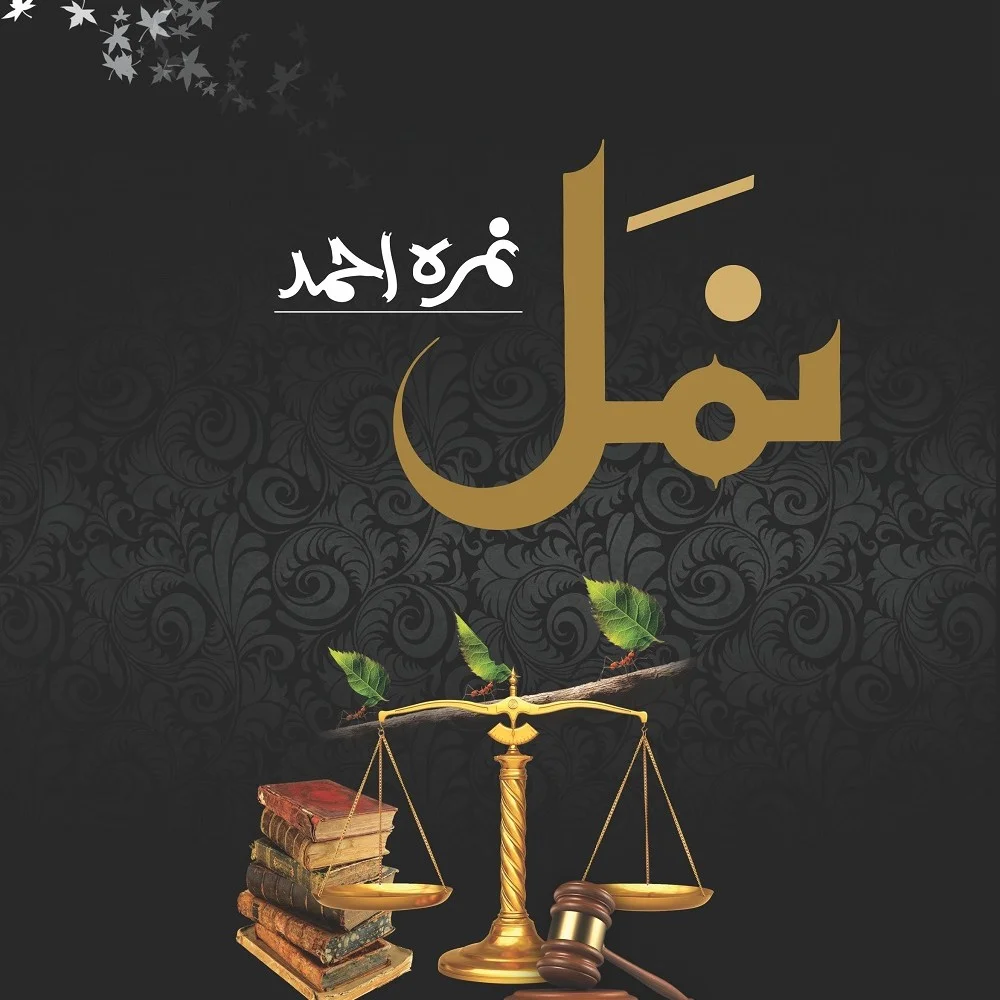
Urdu literature has always been enriched with novels that mix spirituality, suspense, romance, and philosophy. Among these, Namal novel by Nemrah Ahmed has gained massive popularity in recent years. First published in Shuaa Digest (2014–2016) and later compiled into volumes, this novel captured the hearts of thousands of readers, especially young audiences.
More than just a crime thriller, Namal deals with profound themes such as justice, revenge, faith, and destiny. In this article, you will find a complete Namal novel summary, character analysis, and critical review that highlight its literary and cultural value.
Namal Novel Summary
The Namal novel revolves around interconnected characters whose lives explore justice, revenge, and faith.
Faris Ghazi – A righteous yet complex man. Wrongfully accused and imprisoned, he becomes a symbol of resilience.
Hashim Kardar – The antagonist, representing corruption and misuse of power.
Zumar Yousaf & Haneen Sikandar – Strong female characters, both symbolizing courage, patience, and emotional depth.
Jibran Kardar & others – Secondary characters who play symbolic roles in showing family rivalries, corruption, and destiny.
The story unfolds through conspiracies, courtroom drama, family conflicts, and emotional struggles. Nemrah Ahmed blends Quranic references, suspense, and moral lessons, making Namal more than just a thriller—it is also a spiritual reflection.
Main Characters in Namal Novel
Faris Ghazi
The hero of Namal, Faris embodies patience (Sabr) and trust in divine justice. Despite hardships, he remains strong and determined.
Hashim Kardar
The antagonist who represents greed, pride, and corruption. His actions highlight how power can destroy families and society.
Zumar Yousaf
A resilient and supportive character. Zumar plays a vital role in holding the narrative together with courage and emotional strength.
Haneen Sikandar
A teenage girl with maturity beyond her age. She faces challenges bravely and becomes a relatable figure for the younger generation.
Jibran Kardar & Others
The supporting cast adds depth to the novel, portraying corruption, betrayal, and the fight for truth.
Major Themes in Namal Novel
Justice vs Injustice – The failure of society to protect the innocent.
Faith and Destiny – Belief in divine justice despite worldly failures.
Power and Corruption – How influential families manipulate systems for personal gain.
Love and Sacrifice – Romantic love combined with selfless devotion.
Women’s Struggle – Strong female resilience against a patriarchal society.
Character Analysis
Nemrah Ahmed’s Namal novel characters are multi-dimensional and symbolic.
Faris Ghazi represents patience, resilience, and faith.
Hashim Kardar highlights greed and manipulation.
Zumar Yousaf challenges traditional female roles in Urdu literature.
Haneen Sikandar reflects youth, courage, and determination.
Each character mirrors real-life struggles, making the novel both relatable and impactful.
Critical Analysis of Namal Novel
Namal is more than just a suspense story; it is a philosophical and spiritual narrative. Nemrah Ahmed skillfully combines Quranic references, emotional depth, and thought-provoking moral lessons.
Unlike many of her earlier works, Namal has a slow build-up, which later develops into a deeply engaging and immersive plot. The portrayal of female strength, the psychological depth of revenge, and the emphasis on faith make it a unique contribution to contemporary Urdu literature.
Impact of Namal on Urdu Literature
The Namal novel by Nemrah Ahmed reintroduced serialized fiction in a modernized way. Its popularity on social media, blogs, and YouTube narrations shows the cultural reach of Urdu literature in the digital age.
It successfully connected traditional digest readers with the new online reading generation, proving that Urdu fiction is still thriving.
Conclusion
In conclusion, Namal novel by Nemrah Ahmed is not just a thriller—it is a tale of faith, love, justice, and resilience. For students and lovers of Urdu literature, it serves as an excellent case study of how modern Urdu novels blend traditional storytellingh with contemporary social and spiritual issues.
Lorem ipsum dolor sit amet, consectetur adipiscing elit. Ut elit tellus, luctus nec ullamcorper mattis, pulvinar dapibus leo.
Impressive